

 English
 日本語
日本語 한국어
한국어 العربية
 ไทย
ไทย हिन्दी
 Indonesia
 Tiếng Việt
 বাংলা
বাংলা


Магниевые удобрения
Magnesium Fertilizer: An Essential Nutrient for Plant Growth Magnesium (Mg) is a critical secondary macronutrient required for healthy plant growth and development. As a central component of chlorophyll, magnesium plays a vital role in photosynthesis, enabling plants to convert sunlight into energy. Additionally, it activates numerous enzymes involved in carbohydrate metabolism, protein synthesis, and nutrient uptake. Magnesium deficiency can lead to stunted growth, yellowing of leaves (chlorosis), and reduced crop yields. To address this, magnesium fertilizers are applied to soils or foliage to replenish this essential nutrient. Types of Magnesium Fertilizers Magnesium fertilizers come in various forms, each suited for different soil conditions and crop requirements: 1. Magnesium Sulfate (Epsom Salt, MgSO₄·7H₂O) – A highly soluble and fast-acting source of magnesium and sulfur, ideal for foliar sprays or soil applications in deficient soils. 2. Magnesium Oxide (MgO) – A slow-release fertilizer suitable for acidic soils, often used in bulk applications due to its high magnesium content. 3. Magnesium Carbonate (MgCO₃) – Used to correct magnesium deficiencies in neutral to alkaline soils, releasing magnesium gradually. 4. Dolomitic Lime (CaMg(CO₃)₂) – A dual-purpose amendment that supplies both calcium and magnesium while neutralizing acidic soils. 5. Magnesium Nitrate (Mg(NO₃)₂) – A water-soluble fertilizer providing both magnesium and nitrogen, commonly used in hydroponics and fertigation. Benefits of Magnesium Fertilization - Enhanced Photosynthesis: Magnesium is the core atom in chlorophyll, directly influencing photosynthetic efficiency. - Improved Nutrient Uptake: It aids in phosphorus transport and enzyme activation, promoting root development. - Stress Resistance: Adequate magnesium levels help plants withstand environmental stresses such as drought and disease. - Higher Crop Quality: Ensures better fruit formation, seed viability, and overall yield. Application Methods - Soil Application: Granular or powdered magnesium fertilizers are incorporated into the soil before planting. - Foliar Spray: Quick correction of deficiencies by spraying magnesium sulfate solutions on leaves. - Fertigation: Dissolved magnesium fertilizers are delivered via irrigation systems for precision nutrition. Considerations - Soil pH: Magnesium availability decreases in highly acidic or alkaline soils; lime or sulfur may be needed for adjustment. - Nutrient Balance: Excess potassium or calcium can inhibit magnesium uptake, requiring balanced fertilization. Conclusion Magnesium fertilizers are indispensable for sustainable agriculture, ensuring optimal plant health and productivity. Proper diagnosis of soil deficiencies and selecting the right magnesium source can significantly enhance crop performance, making it a key component of modern farming practices.
продукт
классификация:
Моногидрат сульфата магния
-
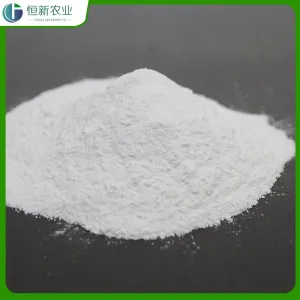
98% безводный сульфат магния для промышленных удобрений
Их классификация: Безводный сульфат магниямнения: 3номер:Время выпуска: 2025-12-09 14:38:3698% безводный сульфат магния (химическая формула MgSO₄, номер CAS 7487-88-9) представляет собой белый порошок или кристаллический порошкообразный химический продукт чистотой 98%. Он обладает сильной гигроскопичностью и высокой растворимостью и широко используется в научных исследованиях, промышленности, сельском хозяйстве и других областях.
новости
классификация:
Нет результатов поиска!
случай
классификация:
Нет результатов поиска!
видео
классификация:
Нет результатов поиска!
скачать
классификация:
Нет результатов поиска!
вербовка
классификация:
Нет результатов поиска!
Рекомендуемые продукты
Нет результатов поиска!



 телефон